Root Canal Beverly Hills and the Importance of Timely Treatment

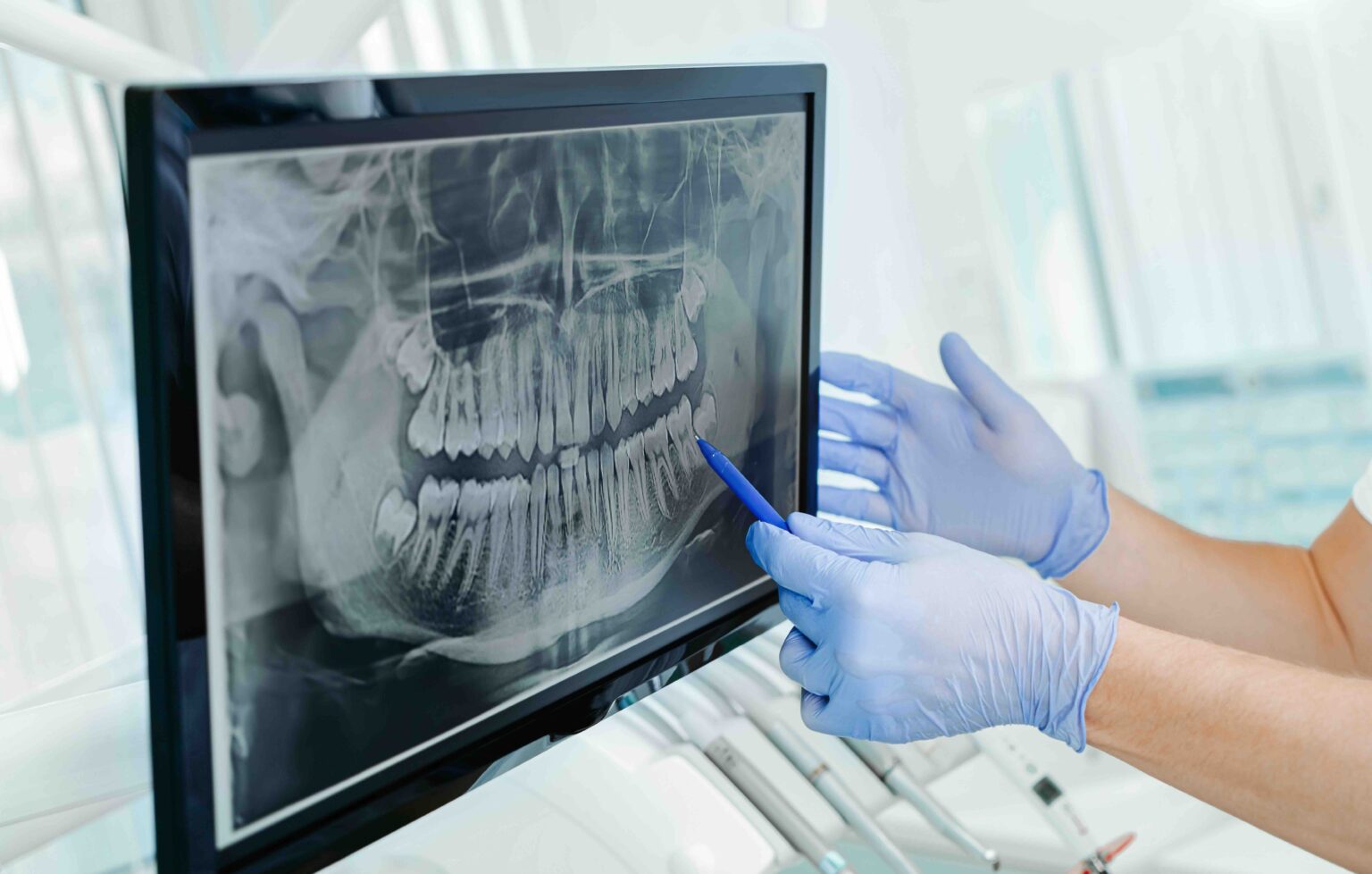

Tooth pain has a way of changing the rhythm of a day. It starts as a dull awareness, then sharpens when you sip coffee, bite into lunch, or try to sleep. People often hope it will settle on its own. Sometimes they wait because work is busy, travel is coming up, or the discomfort feels manageable with pain relievers. In practice, that delay is where small dental problems become bigger ones.
When patients ask about Root Canal Beverly Hills treatment, the question is rarely just about the procedure itself. It is usually about timing. Do they really need it now? Can they wait a few weeks? Is there another option? Those are reasonable questions, and the answers depend on what is happening inside the tooth. Once the pulp, the soft tissue that contains nerves and blood vessels, becomes inflamed or infected beyond recovery, time matters more than most people realize.
A root canal is not a cosmetic add-on or an aggressive extra step. It is a way to save a natural tooth that would otherwise continue to hurt, worsen, or eventually need extraction. The phrase still makes some people tense up, usually because it carries decades of baggage from stories told by relatives or outdated portrayals in popular culture. Modern root canal therapy is far more controlled, precise, and comfortable than its reputation suggests. The bigger issue, in many cases, is not the treatment itself. It is the damage that happens when treatment is postponed.
What a root canal actually treats
Inside every tooth is a chamber and a set of canals that contain pulp tissue. When that tissue becomes severely inflamed or infected, it cannot heal the way a cut on the skin might. The tooth may still look mostly intact from the outside, but internally the condition can be progressing quickly.
This tends to happen for a few common reasons. A deep cavity can allow bacteria to reach the pulp. A crack in the tooth can create a pathway for irritation or infection. Repeated dental work on the same tooth can stress the pulp over time. Trauma, even from an old sports injury that seemed minor at the time, can also damage the nerve supply. In some patients, the pain is dramatic and unmistakable. In others, the process is surprisingly quiet until swelling or a sudden flare-up appears.
Root canal treatment removes the diseased pulp, disinfects the internal space, and seals the canals so bacteria are less likely to re-enter. The tooth is then Root Canal Beverly Hills restored, often with a crown when the tooth has lost substantial structure. The goal is straightforward: eliminate infection, relieve pain, and preserve the natural tooth.
That last point matters. Saving a natural tooth usually provides better chewing efficiency, more predictable bite function, and simpler long-term maintenance than losing the tooth and replacing it later. Replacement options such as bridges or implants can be excellent, but they are not automatically easier, cheaper, or faster than preserving the tooth you already have.
The signs people ignore most often
Dental infections do not always announce themselves in dramatic fashion. A lot of delays happen because symptoms come and go. A tooth may ache intensely for two days, then calm down. Many people interpret that improvement as proof that the problem resolved. Often the opposite is true. When a tooth stops hurting after a period of severe inflammation, it can mean the nerve tissue is dying. That is not recovery. It is progression.
A few symptoms deserve prompt attention because they commonly point to pulp damage or infection:
- lingering sensitivity to hot or cold, especially if it lasts more than a few seconds
- pain when biting or releasing pressure
- spontaneous throbbing that wakes you at night or appears without a clear trigger
- swelling in the gums, face, or jaw area
- a pimple-like bump on the gum that drains fluid or leaves a bad taste
Each of those signs can have more than one cause, which is why examination and imaging matter. A cracked tooth can mimic a root infection. Gum disease can create tenderness that feels tooth-related. Sinus pressure in the upper back teeth can confuse the picture. Diagnosis is where experience counts. Still, the larger mistake is waiting for certainty at home while the tooth deteriorates.
Why timing matters more than people think
In a healthy situation, the tooth is a sealed environment. Once bacteria penetrate to the pulp, the body has limited ability to clear the infection from inside that hard structure. Pressure builds, tissues break down, and the infection can extend beyond the tooth into the surrounding bone.
This is where prompt treatment changes the entire arc of care. If a tooth is treated before major breakdown occurs, the procedure is often more straightforward, the surrounding tissue is less inflamed, and the long-term prognosis is usually better. If the same tooth is left untreated for months, several things may happen. The infection can enlarge near the root tip. The tooth can fracture because weakened structure is now taking on daily chewing forces. Swelling may become severe enough to require urgent intervention. Sometimes the tooth moves past the point of being restorable at all.
I have seen versions of this many times in practice settings. A patient notices sensitivity in a molar, manages it with one-sided chewing, then gets used to it. Six weeks later, the tooth flares during a business trip, the face swells overnight, and what could have been a planned appointment turns into an emergency visit. That sequence is common, not unusual.
There is also the issue of cost and complexity. Early treatment often means root canal therapy followed by a predictable restoration. Delay can lead to root canal treatment, a buildup, a crown, management of infection, and sometimes surgical care if the abscess spreads or the tooth fractures below the gumline. If the tooth must be extracted, replacement with an implant or bridge typically exceeds the cost and time of timely endodontic treatment.
Pain is only part of the story
People often use pain as the main metric for deciding whether treatment can wait. Clinically, that is unreliable. Some badly infected teeth cause relatively little pain because drainage reduces pressure. Other teeth produce intense symptoms before an infection is even visible on an x-ray. Severity of pain and severity of disease do not always match neatly.
That mismatch is one reason dentists pay close attention to testing. Temperature response, percussion, palpation, bite testing, and imaging all help build a more accurate picture. A patient may say, “It only bothers me once in a while,” yet the scan shows a clear lesion near the root. Another may report constant discomfort, but the issue turns out to be a crack that changes the treatment plan entirely.
When discussing Root Canal Beverly Hills options with patients, a careful diagnosis should come before assumptions. Beverly Hills patients, like patients anywhere else, often have busy schedules and Root Canal Beverly Hills high expectations for efficiency. They want to understand not only whether a root canal is needed, but also whether the timing is urgent and what happens if they wait. A thoughtful clinician will answer that plainly.
What happens during the procedure
For many people, the unknown is worse than the reality. A modern root canal is usually done with local anesthesia, and the procedure itself often feels no more dramatic than having a filling placed, though it may take longer depending on the tooth. Molars tend to be more complex because they have multiple canals and less direct access.
After the area is numb, the dentist or endodontist creates a small opening in the tooth to reach the pulp chamber. Fine instruments are used to clean and shape the canals. Irrigating solutions help disinfect the space. Once the canals are prepared, they are filled and sealed. In some cases the tooth is restored the same day with a temporary or permanent buildup. In others, a separate visit is scheduled for the final crown.
Patients are often surprised by two things. First, the procedure is usually more comfortable than the pain that brought them in. Second, they often feel relief quickly once the inflamed tissue is removed. Mild soreness afterward is normal, particularly if the tooth was infected or tender before treatment, but this is generally manageable and temporary.
There are exceptions. Very calcified canals, curved roots, severe infections, or retreatment cases can be more technically demanding. A previously treated tooth with persistent infection may require retreatment or apical surgery rather than a routine root canal. Those are the judgment calls that separate simple from complex care.
The difference between a dentist and an endodontist
General dentists perform many root canals very well, especially on front teeth and straightforward premolars. Endodontists are specialists who focus on diseases of the dental pulp and tissues around the roots. They often manage more complicated anatomy, difficult diagnoses, retreatment cases, and teeth with unusual canal systems.
The decision about who should treat the tooth depends on several factors: the tooth involved, the level of infection, whether prior treatment has failed, and how much structure remains. A front tooth with one straight canal is a different proposition from a lower molar with narrow, curved, difficult-to-locate canals.
In areas where patients seek highly specialized care, including Root Canal Beverly Hills treatment, referral to an endodontist is common when the case calls for it. That is not a sign something has gone wrong. It is often a sign that the dentist wants the best possible precision for a tooth worth saving.
Why some teeth cannot be saved if treatment is delayed
People sometimes assume that a root canal can rescue any painful tooth as long as they eventually get around to it. That is not always true. Root canal therapy addresses the inside of the tooth. It cannot rebuild unlimited amounts of missing tooth structure, reverse a vertical root fracture, or make a hopelessly loose tooth stable.
A tooth may become non-restorable for reasons that have little to do with the root canal itself. If decay extends too far below the gumline, there may not be enough healthy tooth left to support a proper restoration. If a large untreated cavity hollows out the crown and the walls crack off, the remaining tooth may not hold a crown securely. If a crack runs down the root, extraction is often the only predictable choice.
This is where delay does its quiet damage. While a patient is weighing whether the discomfort is tolerable, bacteria continue to act, chewing forces continue to stress weakened enamel and dentin, and the window for conservative treatment narrows.
The financial case for acting sooner
No one likes making health decisions based on fear, and they should not have to. But practical considerations matter. Dental treatment becomes more expensive as problems become more extensive. That is simply how it works.
A timely root canal followed by the right restoration is often the most economical path over the life of that tooth. Compare that with the costs that can follow delay: emergency exams, antibiotics when indicated, lost work time, after-hours visits, extraction, bone grafting, implant placement, implant restoration, or bridgework involving adjacent teeth. None of those are automatically wrong choices, but they are not minor steps.
There is also the cost of disruption. A painful abscess right before a wedding, board meeting, flight, or family holiday has a way of making convenience disappear. Planned treatment gives patients control over timing. Emergency treatment rarely does.
Recovery and what patients can expect after treatment
Most patients return to normal routines quickly. If the tooth was badly inflamed before treatment, chewing may remain tender for several days. The surrounding ligament can be irritated, especially in teeth that had infection around the root tip. This is common and usually improves steadily.
A few practical habits help the recovery go smoothly:
- avoid chewing hard foods on the treated tooth until the final restoration is in place
- take prescribed or recommended medication exactly as directed
- keep the area clean with normal brushing and flossing unless told otherwise
- return promptly for the crown or final restoration if one is needed
- call the office if swelling increases, pain escalates, or the bite feels noticeably high
That final restoration deserves emphasis. A root canal saves the internal part of the tooth, but the tooth still needs structural protection. Back teeth in particular often require crowns because they absorb heavy chewing forces. Patients sometimes feel better after the root canal and assume the job is finished. Then the temporary breaks, or the weakened tooth fractures before the permanent crown is placed. Timely follow-through matters almost as much as timely diagnosis.
Common misconceptions that lead to delay
One persistent myth is that antibiotics can fix the problem and make a root canal unnecessary. Antibiotics may help control spreading infection in certain cases, particularly when swelling is present, but they do not remove infected pulp from inside a tooth. They are an adjunct, not a substitute.
Another misconception is that extraction is always easier. Extraction may be appropriate in some cases, but it is not a simple erase button. Once the tooth is gone, the space needs a plan. Some patients do fine without replacing certain teeth, but many develop shifting, bite changes, or chewing limitations over time. Replacing a missing tooth can take months and multiple appointments.
A third myth is that if the pain stops, the problem is solved. As noted earlier, pain can disappear because the nerve tissue has died. The infection may still be present and may continue to spread silently.
Special situations that require fast attention
Not every sore tooth is a same-day emergency, but some situations should be addressed quickly. Facial swelling, fever, difficulty swallowing, limited ability to open the mouth, or a rapidly enlarging abscess can signal an infection that needs urgent evaluation. These cases go beyond comfort. They raise concerns about spread into surrounding spaces.
Pregnant patients, patients with suppressed immune systems, and those with certain heart conditions may also need a more coordinated approach. The principle remains the same: treat the source as efficiently and safely as possible, with the medical context in mind.
Cracked teeth present another special challenge. A crack can produce symptoms that fluctuate dramatically. One week the tooth is fine, the next week biting feels electric. If the crack reaches the pulp, root canal therapy may be needed. If it extends too far down the root, the tooth may not be savable. Timing affects outcome here in a very real way.
Choosing care with confidence
A good evaluation should leave the patient with clear answers, not a vague sense of being pushed into treatment. You should understand what the diagnosis is, why a root canal is or is not recommended, whether the case is routine or complex, what restoration will be needed afterward, and what happens if you wait.
In a community where people often seek high-level dental care, Root Canal Beverly Hills discussions tend to focus on precision, comfort, aesthetics, and efficiency. Those are valid priorities. Still, the fundamental issue is biological, not geographic. An infected tooth behaves the same way whether it is in Beverly Hills or anywhere else. It does not pause because your calendar is crowded.
The best outcomes usually come from a simple pattern: early diagnosis, appropriate treatment, and prompt restoration. That approach reduces pain, lowers the chance of complications, and gives the tooth its best shot at long-term survival.
When waiting is reasonable, and when it is not
There are times when a short delay is acceptable. A mildly irritated tooth after a recent filling may need observation. A questionable symptom that lacks clear diagnostic evidence may justify watchful follow-up instead of immediate treatment. Good dentistry is not about rushing into root canals. It is about matching treatment to evidence.
What is not reasonable is assuming that significant lingering pain, swelling, or repeated flare-ups will somehow burn out harmlessly. Once a tooth shows signs of irreversible pulp damage or infection, postponement usually adds risk without adding benefit.
That distinction matters. Thoughtful observation is not the same as neglect. One is clinical judgment. The other is wishful thinking.
The larger value of preserving a natural tooth
When a root canal is recommended, it is because the tooth is considered worth saving. That matters more than many people realize. Natural teeth preserve biting feedback, maintain spacing, and often integrate into daily life better than any replacement. Even an excellent implant does not recreate the exact structure you were born with. It replaces a lost tooth very well, which is different from preserving one.
Timely root canal therapy is really about keeping options open. It protects the chance to save the tooth before infection, decay, or fracture narrow the path. Once that window closes, treatment choices become more invasive and less flexible.
For patients weighing whether to move forward, the practical message is simple. If a trusted dentist or endodontist has confirmed that a root canal is necessary, speed is not panic, it is prudence. Acting early usually means less pain, fewer complications, and a better long-term result. That is the real importance of timely treatment, and it is the reason root canals continue to be one of the most valuable tooth-saving procedures in modern dentistry.
Dental Group of Beverly Hills
8641 Wilshire Blvd, Suite 125
Beverly Hills, CA 90211
(310) 361-2835
FAQ About Root Canal Beverly Hills
What are the signs you need a root canal?
Persistent pain, lingering temperature sensitivity, or swelling can have several causes. A dentist can examine the tooth and decide whether root canal treatment is appropriate.
How much does a root canal usually cost in Beverly Hills CA?
Cost varies by tooth, complexity, insurance, and whether a permanent restoration is needed. Request an itemized estimate.
How long do root canals last?
A treated tooth can last many years with a suitable restoration and regular dental care. Its outlook depends on tooth condition, the seal, and follow-up care.